

Salicylic Acid – Why This Active Ingredient Has Become Indispensable in Modern Skincare Salicylic acid, also known as BHA (beta hydroxy acid), is one of the best-known and most thoroughly researched active ingredients in cosmetic skincare. Salicylic acid (BHA) has proven effective for many years, particularly for oily, blemish-prone, and acne-prone skin. Thanks to its unique chemical properties, salicylic acid…
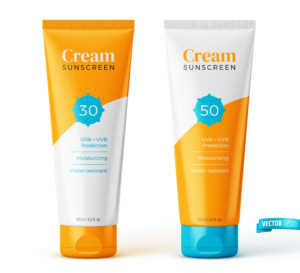
Developing private-label sunscreen—this goal is now on the agenda for more and more cosmetics brands, pharmacies, influencer brands, and startups. The SPF market is growing rapidly worldwide, the barriers to entry are falling thanks to modern white-label providers, and the demand for customized sunscreen products is higher than ever. This guide explains what matters most. Why Now Is the…

BHA – Why This Active Ingredient Has Become Indispensable in Modern Skincare BHA is one of the most popular active ingredients in modern skincare today. Especially for oily, blemished, and acne-prone skin, BHA is considered the gold standard among chemical peels. Unlike many other exfoliating active ingredients, BHA doesn’t just act on the skin’s surface; thanks to its fat-soluble properties,…

Vitamin A – Why This Ingredient Has Been Among the Most Effective in Skincare for Decades Vitamin A is one of the most scientifically studied active ingredients in modern cosmetics. Whether for wrinkles, photoaging, or blemish-prone skin—vitamin A impresses with its versatile properties and is therefore a staple in high-quality anti-aging products. Especially in the form of retinol, vitamin A…
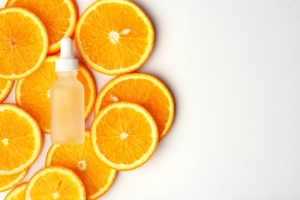
Ascorbic Acid – One of the Most Important Active Ingredients in Modern Skincare Ascorbic acid is one of the most thoroughly researched and effective cosmetic active ingredients available. As the chemical form of vitamin C, ascorbic acid possesses powerful antioxidant properties and supports numerous biological processes in the skin. Ascorbic acid has established itself as an indispensable ingredient, particularly in…

A consistent sun protection routine is the most effective defense against photoaging, age spots, and long-term UV damage. Yet many consumers struggle not because of a lack of knowledge—but because of putting it into practice. Anyone looking to develop a sun protection routine needs products that fit seamlessly into their daily life. That is precisely the development philosophy of Cosmacon…
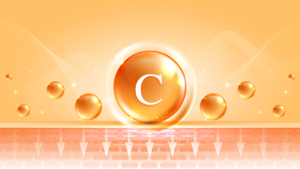
Vitamin C as an Innovative Active Ingredient in Skincare Vitamin C is one of the best-known and most effective active ingredients in modern cosmetics. This versatile ingredient is primarily used for its antioxidant properties, its skin-brightening effects, and its role in promoting a radiant complexion. Products containing vitamin C are particularly popular in anti-aging, brightening, and protection against environmental skin…
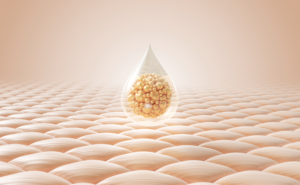
Collagen is one of the best-known active ingredients in modern skincare and has been a staple of high-quality anti-aging products for decades. Hardly any other ingredient is as frequently associated with youthful skin, firmness, and elasticity. At the same time, there is a lot of confusion surrounding collagen: Can collagen even penetrate the skin through a cream? What are the…

PDRN is one of the most exciting innovations in modern skincare. While the active ingredient originally gained recognition primarily in regenerative medicine, PDRN is now increasingly being incorporated into high-quality cosmetic formulations. PDRN is steadily gaining importance, particularly in the areas of anti-aging, post-treatment products, and the care of sensitive and stressed skin. The growing demand for high-performance active…

Sunscreen for dark skin is one of the fastest-growing and, at the same time, most neglected segments in the German cosmetics industry. Yet UV protection is just as important for every skin tone—and modern formulation technology now makes it possible to develop sunscreen for dark skin that feels invisible, comfortable, and nourishing. Why Sunscreen Is Especially Important for…