

The market for animal care products is growing rapidly. At the same time, it is only very loosely regulated by law. Many suppliers take advantage of this. As a manufacturer of animal cosmetics, we see products every day that are attractively packaged but based on outdated, cheap chemicals – technologies from the last century that have little to do with…
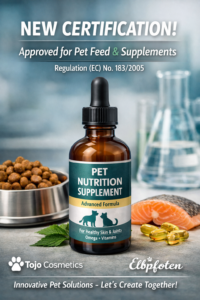
Tojo Cosmetics GmbH has taken an important next step: the company now officially holds a license as a manufacturer and distributor of single and mixed feed for pets. This creates the regulatory basis for expanding the portfolio to include feed and nutrition-related product concepts. With this approval, Tojo Cosmetics is consistently developing beyond classic animal care. In the future, in…

Introduction Pet care has become much more professional in recent years. What used to mean only occasional brushing and bathing has now become an innovative market for high-quality care products. More and more pet owners are paying attention to skin compatibility, effectiveness, and sustainability – after all, pets are members of the family. Modern pet care combines dermatological findings with…

Introduction Arginine is a proteinogenic amino acid that plays an important role in both medicine and cosmetics. As a precursor to nitric oxide (NO), arginine has a wide range of physiological functions and has been increasingly used in skin and hair care products for several years. This article highlights the physical and chemical properties, efficacy, advantages and disadvantages, as well…

Introduction Oryzanol, also known as gamma-oryzanol, is a white to white-yellowish, crystalline, odorless powder. It consists of phytosterols esterified with ferulic acid (an organic compound from the phenolic acid group) and is extracted from rice germ oil. Oryzanol is an active ingredient found exclusively in rice that can, among other things, reduce cholesterol and blood lipid levels and protect the…
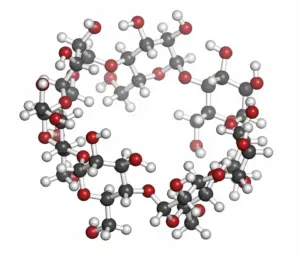
Introduction Cyclodextrins belong to the oligosaccharides. They consist of several glucose molecules linked together in a ring. The structure of these glucose rings is always conical. Cyclodextrins are named differently depending on the number of glucose units: a ring of six glucose units is called alpha-cyclodextrin, a ring of seven glucose units is called beta-cyclodextrin, a ring of eight glucose…
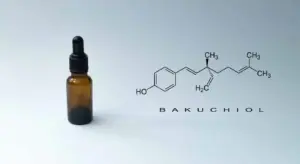
Introduction When it comes to fighting wrinkles, retinol has established itself as the most used substance. This synthetically produced and highly concentrated form of vitamin A is one of the most effective active ingredients in the field of skin rejuvenation. However, many users are allergic to retinol. Fortunately, however, there is a completely natural and very gentle anti-aging alternative: bakuchiol…
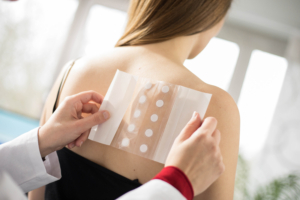
Dermatologically tested private label products from Tojo Cosmetics – safety you can advertise In the cosmetics industry, dermatologically confirmed skin compatibility is one of the most important quality features. Consumers want to be sure that a product will not irritate their skin – especially if they have sensitive skin. While cosmetics regulations do not require such tests and many manufacturers…

Introduction Copper Tripeptide-1 is a highly effective cosmetic ingredient known for its repairing, anti-inflammatory, and anti-aging properties. This bioactive peptide-copper complex promotes skin renewal, stimulates collagen production, and protects against oxidative stress. In this article, we examine the physical and chemical properties of copper tripeptide-1, its effectiveness, advantages, and potential disadvantages, as well as innovative cosmetic applications. Physicochemical…
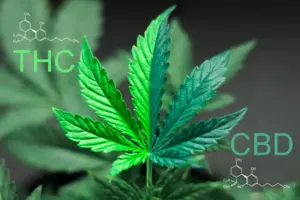
The hemp plant: More versatile than its reputation When you think of the hemp plant cannabis, various intoxicants usually come to mind. In fact, the dried flowers and leaves are used to produce the drugs marijuana and hashish. However, this herbaceous plant, known for its distinctive palmate leaves, has much more to offer. It provides valuable services in many ways,…